The 2026 Winter Olympics slopestyle snowboarding finals, both men’s and women’s, were meant to be a showcase of the world’s best riders pushing the limits of style, creativity and athleticism on the sport’s biggest stage. Instead, they’ve reignited a debate that snowboarding can’t seem to shake: when Olympic medals are on the line, is the judging system truly fit for purpose?
Across social feeds, rider interviews, opinion pieces and certainly Todd Richards’ Instagram, one sentiment keeps surfacing, something doesn’t add up.
Take Nothing Away From the Winners
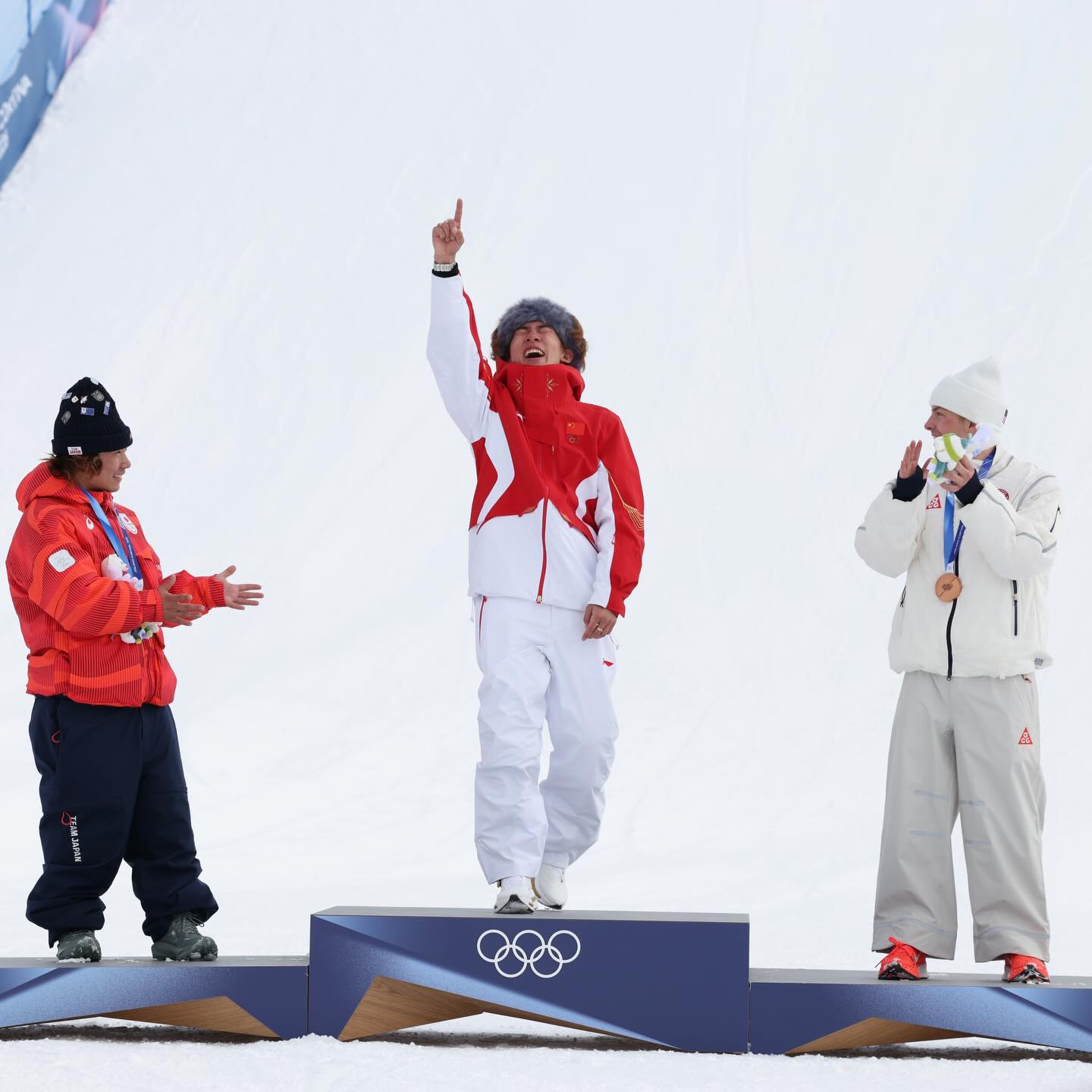
First and foremost, the controversy surrounding the Olympic judging must not take anything away from Su Yiming or Mari Fukada, who ultimately stood on top of the podium with a gold medal around their neck – Ming on his 22nd birthday, we might add.
Both are extraordinary talents, incredible representatives of snowboarding who rode to the best of their ability. They are world-class snowboarders – full stop. They won, and they should both be celebrated.
But acknowledging their brilliance doesn’t mean we ignore the structural flaws that continue to cloud results.

Controversial Judging: What Went Wrong?
Slopestyle is inherently subjective. Unlike time-based races, it relies on judges to score runs based on difficulty, execution, amplitude, variety, flow, creativity and overall composition. That nuance is part of what makes this discipline exciting to watch, but at these Games it felt inconsistent and unpredictable in all the wrong ways.
In both the men’s and women’s finals, the same themes emerged:
Low scores that didn’t match the eye test: Many riders delivered technically solid runs – including truly difficult tricks – yet didn’t receive the marks viewers felt they deserved.
Inconsistent rail vs jump scoring: Some commentators and fans noted that riders who connected rails and executed smoother tricks were judged disproportionately higher than riders with bigger aerial difficulty, a scoring imbalance that confused everyone.
Lack of transparency: Broadcasters struggled to clearly explain score breakdowns in real time, leaving viewers unsure how certain numbers were reached.
When even seasoned commentators hesitate mid-broadcast trying to rationalise a score, that’s a signal the criteria aren’t landing clearly with the audience.
The Contenders and the Debate
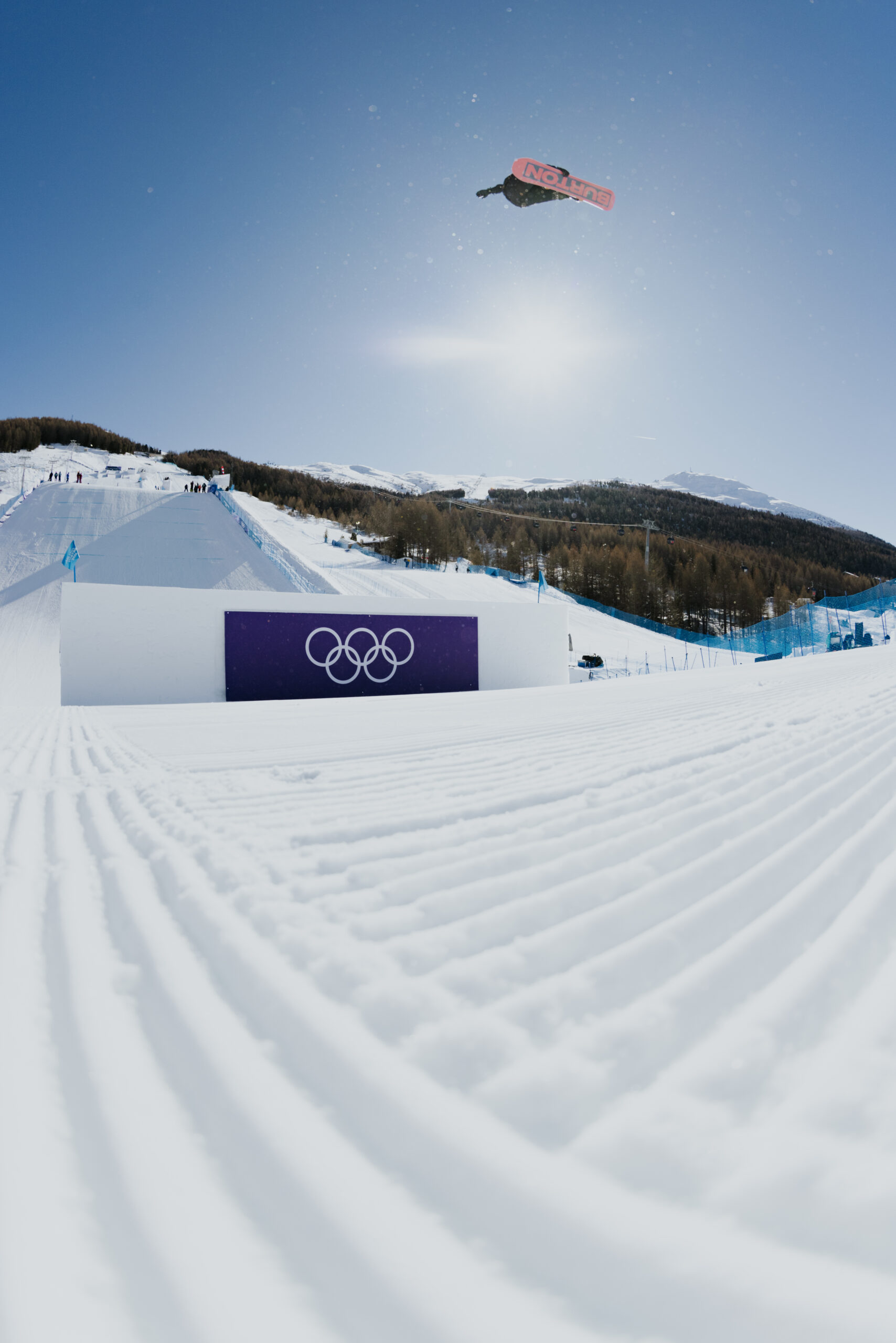
On the men’s side, there were multiple contenders for the top spot. Riders throwing down higher-risk trick combos, increased spin variations and technically heavier jump lines made compelling cases for gold. Some pushed the progression ceiling, others prioritised clean execution, consistency and style – which, ultimately, is the event’s namesake.
But when a fall from Ming scores better than a perfectly executed run by Mark McMorris, regardless of rotations, something is up.
There’s also a pretty compelling argument that Americans Red Gerard and Ollie Martin were robbed of higher scores. Both put down runs that, on paper, look like a gold medal run and ended up in the mid 70s. Marcus Kleveland, who ticked the creativity box with his unique rotations, seemed under-scored.
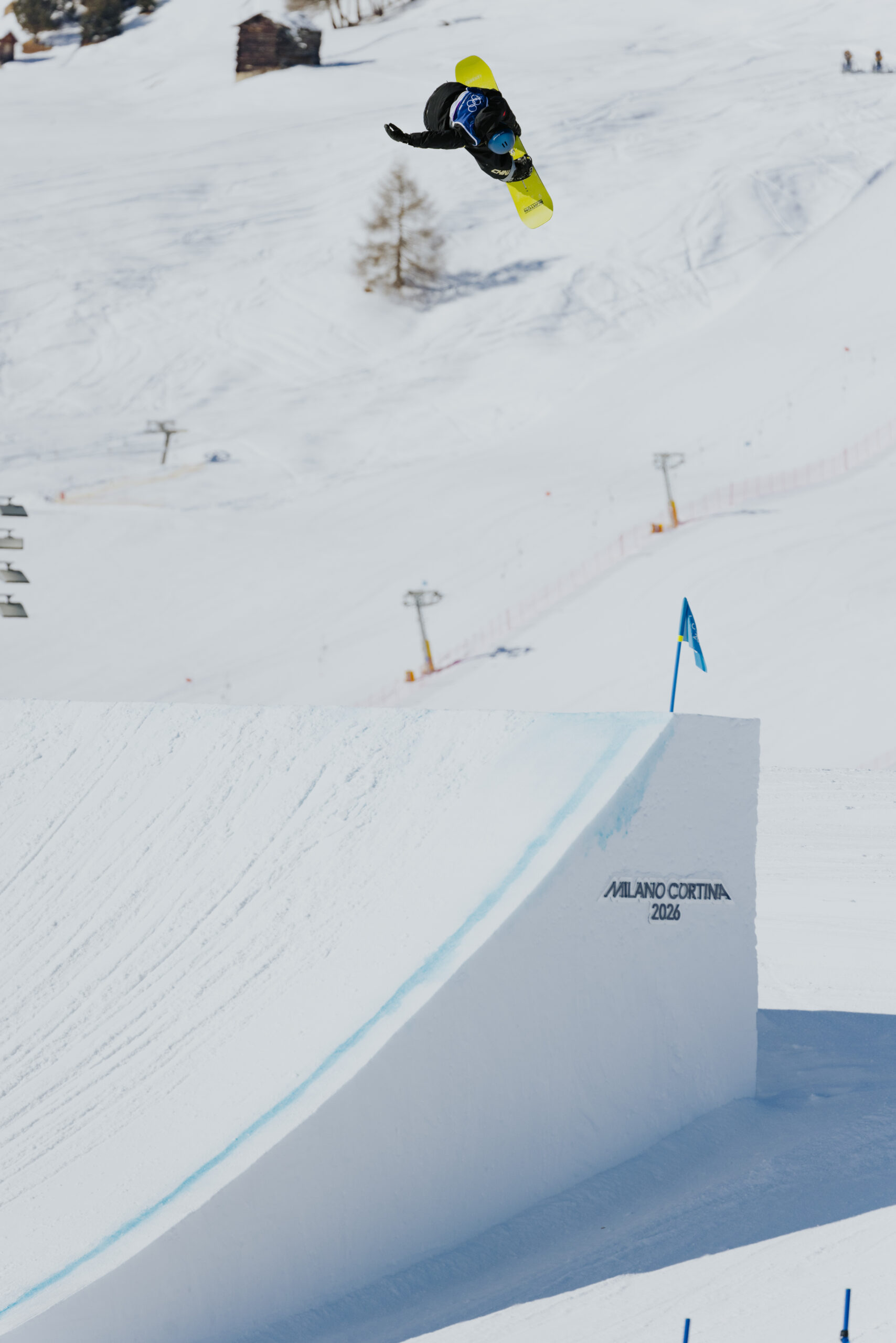
For the women, the debate felt just as heated. Several athletes delivered runs packed with amplitude and technical depth, and the podium order quickly became a talking point among fans who felt difficulty wasn’t weighted evenly.
Mari Fukada delivered an amazing run to seal gold with 720s and a switch backside 1260, while Zoi Sadowski-Synnott, now the most decorated Olympic snowboarder in history, took silver with 1080s and arguably more technical rail tricks. Kokomo landed one of the best and most clutch runs in Olympic history.

Online voices argued that Zoi, and more so Kokomo Murase who finished third, had runs that felt more technically demanding yet scored lower, prompting fans to debate the judges’ weighting of features like rails versus jump complexity.
The broader reaction reflects a feeling that the system failed to reward the very elite level of snowboarding it was meant to celebrate. When runs that are widely regarded as more technically difficult are not reflected in the scoring – or when commentators openly question why a run scored the way it did – that frustration isn’t just casual whingeing, it’s a symptom of a deeper issue with judging transparency and criteria.
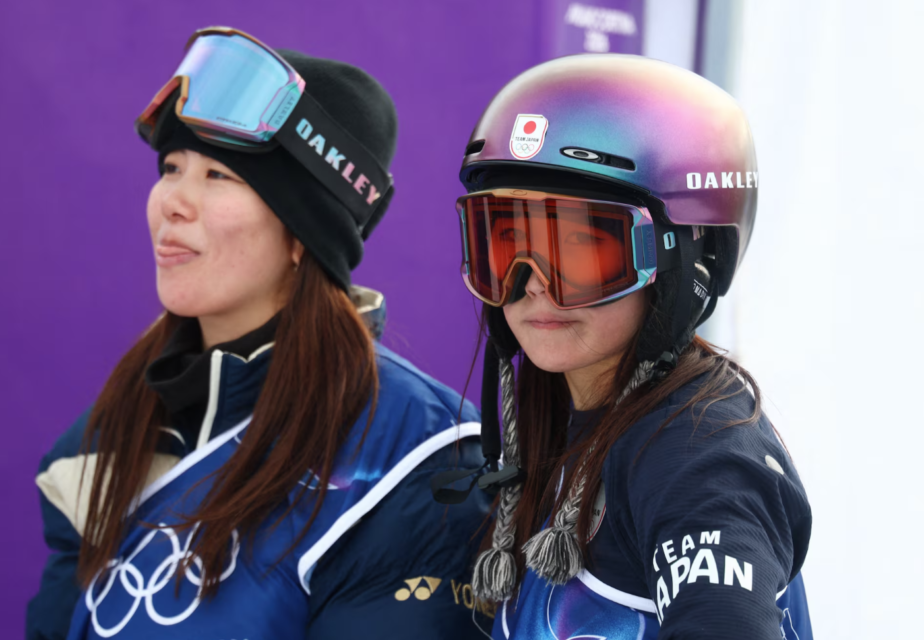
On the World’s Biggest Stage, We Did the Riders a Disservice – Again
Snowboarding is a sport built on progression, creativity and pushing boundaries. It’s about evolving the sport through tricks no one’s landed before – often at great personal risk. When the pinnacle event of the sport leaves riders, fans and commentators feeling confused or alienated by how runs are scored, that’s a real problem.
This isn’t just about sour losers or disgruntled Reddit threads – it’s about the credibility of the judging system in representing what actually happened on the course. When clarity is lacking and outcomes appear disjointed from performance quality, especially on the Olympic stage – the sport’s integrity takes a hit.
Snowboarding deserves better. Riders deserve to know why they were scored the way they were. And at the Olympics, the world deserves to understand and appreciate the nuance of each performance – not be left wondering how the results were determined.